Kalundborg Fjord, located on the western coast of Zealand, Denmark, is a picturesque inlet that seamlessly blends natural beauty with industrial innovation. The city of Kalundborg, situated along the fjord, is renowned for its medieval architecture, including the five-spired Church of Our Lady, and its significant role in Denmark’s industrial landscape.
A notable feature of Kalundborg is the Kalundborg Symbiosis, a pioneering industrial ecosystem where public and private enterprises collaborate to utilize each other’s by-products, thereby minimizing waste and enhancing resource efficiency. Established in 1972, this symbiosis is a prime example of circular economy principles in action.

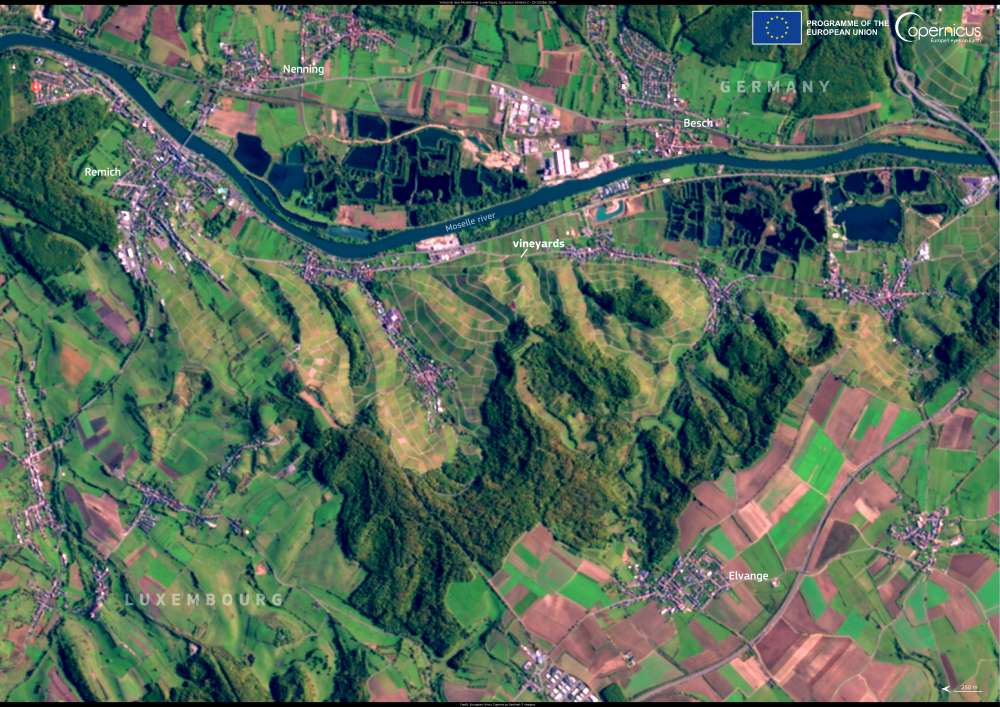
The accompanying image, captured by the Copernicus Sentinel-2 satellite on 17 February 2025, showcases the intricate interplay between Kalundborg’s urban areas, industrial facilities, and the surrounding natural environment.
The fjord’s waters not only support local biodiversity but also facilitate various industrial activities, including shipping and energy production.
Satellite data from the Copernicus program play a crucial role in monitoring coastal regions like Kalundborg Fjord. This information aids in assessing environmental impacts, planning sustainable development, and formulating policies that balance economic growth with ecological preservation.
Kalundborg Fjord exemplifies how industrial advancement and environmental stewardship can coexist, offering valuable insights for communities worldwide striving for sustainable development.
Featured image credit: European Union, Copernicus Sentinel-2 imagery