Researchers at La Trobe University’s Centre for Freshwater Ecosystems have exposed the hidden consequences of climate change on Alpine stream ecosystems, which could see an earlier emergence of insects.

The study, published in Global Change Biology, led by Senior Lecturer in Environment and Genetics Dr Michael Shackleton, focused on streams around Falls Creek and projected significant alterations in water temperatures from climate warming and its impact on aquatic life.
It was found that the rate at which temperature accumulates over the years will increase, which likely influences how organisms grow and develop.
“These shifts may have significant impacts on aquatic organisms, particularly those emerging from alpine streams in Autumn and the food webs they service,” Dr Shackleton said.
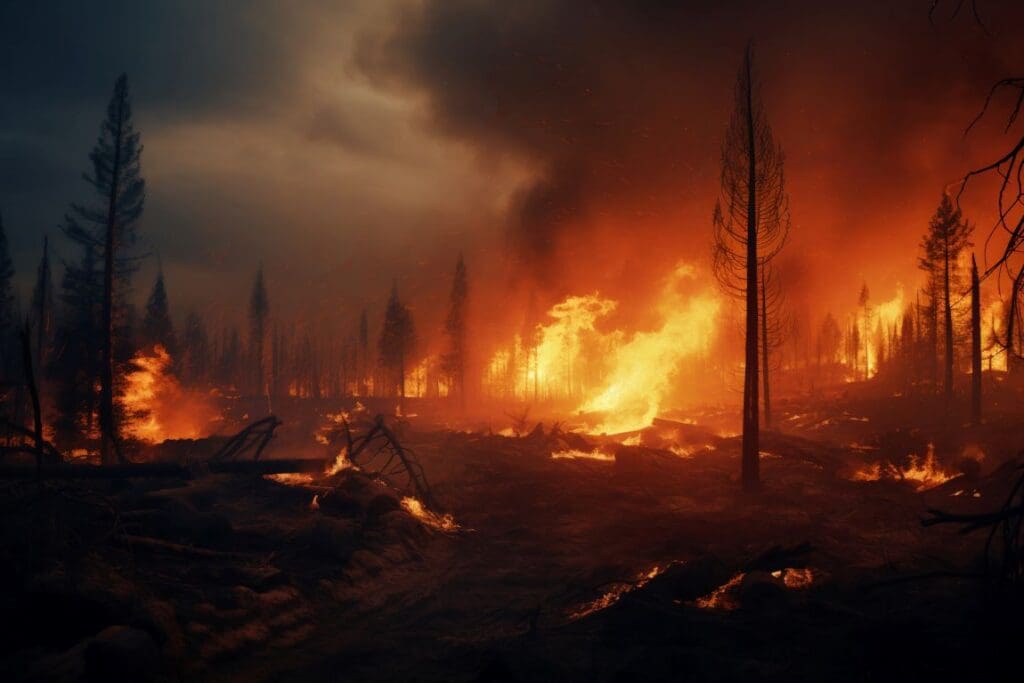
“In the future, late-season organisms might emerge from river systems into air temperatures up to 12 degrees higher than what they currently experience.
“As a result, we expect insects, in particular, will emerge earlier in the year because they will have gained enough heat energy to become adults earlier on.”
Read also: Some insects thrive in a warming climate, while others struggle
Researchers used sophisticated modelling techniques and analysed past water temperature data to predict future stream water temperatures under climate change scenarios.
The study urgently calls for proactive conservation efforts to mitigate the impacts of climate change on vulnerable ecosystems.
“As warmer climates influence the metabolism of insects, the availability of food resources and egg-laying locations, and reproductive potential, there are profound implications for ecosystem structures and function,” Dr Shackleton said.
“Aquatic species maturing and moving on to land represents an important flux of energy and nutrients, however changes to the life cycle of varying animals may separate predator to prey interactions.
“This earlier emergence of insects is just one example of how climate change is reshaping our natural world.”
Journal Reference:
M. E. Shackleton, A. R. Siebers, P. J. Suter, O. Lines, A. Holland, J. W. Morgan, E. Silvester, ‘Out of the frying pan into the fire: Predicted warming in alpine streams suggests hidden consequences for aquatic ectotherms’, Global Change Biology 30, 6: e17364 (2024). DOI: 10.1111/gcb.17364.
Article Source:
Press Release/Material by Jess Whitty | La Trobe University
La Trobe University Press Release.
Featured image credit: wirestock | Freepik