By University of South Australia
From rolling vineyards to stunning beaches, there’s no shortage of beauty to discover in our own backyards.
A tourism expert from the University of South Australia is urging travellers to support local destinations and experiences close to home, instead of long-haul international trips, to lessen the impacts of tourism on the environment.
Adjunct Senior Lecturer in Tourism Management Dr Freya Higgins-Desbiolles says we should be considering more localised travel and doing everything we can to reduce unnecessary emissions.
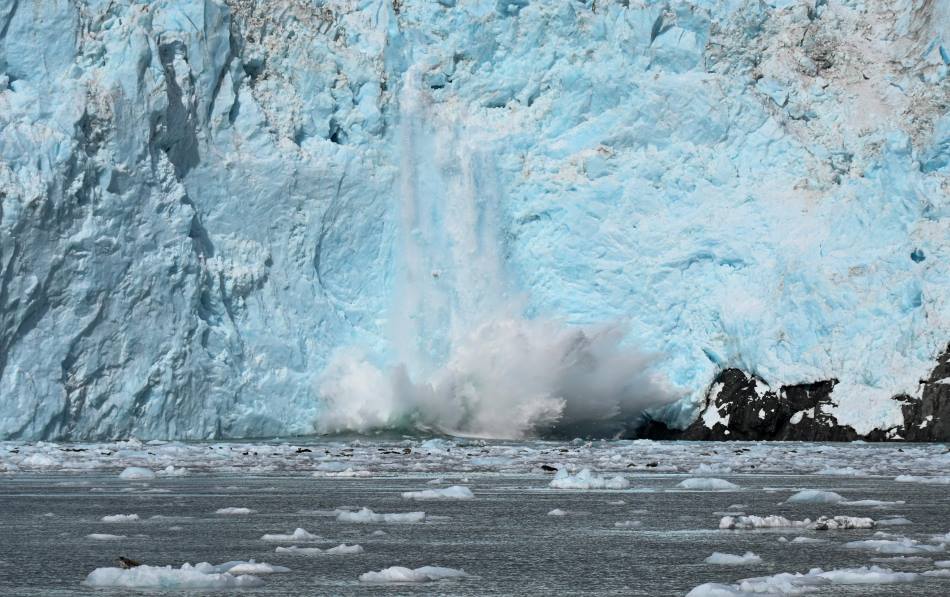
She says space travel, private jet travel and mass travel to remote and extreme environments such as Antarctica are “unethical” and contribute to a culture of privileged overconsumption.
“In these conditions, it is hard to justify tourism to Antarctica. We have to question our use of cruising or flights in our tourism consumption,” she says.
“We need to create a cultural shift that sees tourism consumption as a luxury to be savoured and not something we can have every year or multiple times a year, like many have come to expect in the ‘Global North’. Shifting to an appreciation of local leisure and domestic travels and lower expectations of long-haul international travel is a must.”
The ‘Global North’ i.e. northern hemisphere, is responsible for 92% of global emissions.
In a recent research, Dr Higgins-Desbiolles responds to University of Cumbria’s Professor Jem Bendell’s “deep adaptation” analysis which argues that civilisational collapse is likely or even already underway due to the continued reliance on fossil fuels and emissions, a view shared by others including naturalist David Attenborough and the United Nations Secretary General Antonio Guterres.
Dr Higgins-Desbiolles outlines how tourism is contributing to the depletion of natural resources, pollution, over-consumption and environmental destruction. She also reflects on the 2023 Hawaii wildfires on the island of Maui which claimed 100 lives and destroyed the town of Lahaina. Residents lacked the water resources to fight the fires due to years of overconsumption by the golf courses, hotels and tourism corporations.
She recommends travellers be more considerate with their choices of holiday destinations and reflect on the impact of their activities on the environment.
“Tourism should be defined by the local community, with decision-making controlled at the lowest level and an emphasis on the interrelationships between people, place, ecology and all living things. We need to slow down – stay longer, stay local, be thoughtful with our holiday choices,” she says.
“There are so many resources out there like Rise Travel Institute or The Travel Foundation that shed light on sustainable, responsible and just tourism.
“It’s about respecting the destination, looking out for codes of responsibility, and making yourself aware of the culture and what challenges the communities you’re visiting are facing. I encourage people to try being more conscious on their next trip – stay in one place longer, travel more slowly, go for nature walks, engage with the culture, try to leave the destination a better place than how you found it.”
Tourism Research Australia forecasts that over the next five years, domestic travel will see only moderate growth, largely due to increased competition from international outbound travel, which is set to continue to climb.
The tourism industry contributes 8% of total global carbon emissions, yet the Tourism Panel on Climate Change – an international body of climate scientists and tourism experts – focuses on profit-first climate resilient tourism, rather than addressing the contribution of the industry to environmental destruction.
Dr Higgins-Desbiolles says it’s up to everyone to make more environmentally conscious travel decisions.
“We must see all governments willing to legislate and regulate tourism better. For example, France has passed legislation banning short-haul flights – the transport method contributing the second most to emissions – when a train journey of less than 2.5 hours is available,” she says.
“Meaningful change is needed at every level: governments, organisations and travellers need to put their focus towards sustainable and climate just tourism.”
More information: Freya Higgins-Desbiolles, ‘The end of tourism? Contemplations of collapse’, Journal of Tourism Futures (2024); DOI: 10.1108/JTF-11-2023-0259. University of South Australia Press Release. Featured image credit: Hari Nandakumar | Unsplash